Wanted Texas
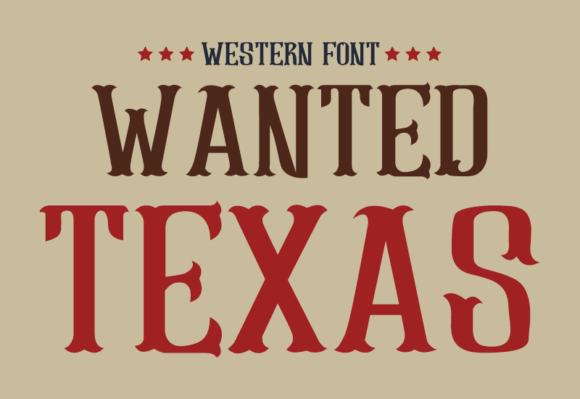
The first time I saw Wanted Texas, I felt a familiar pull. It’s the kind of font that whispers a story without saying a word. The letters feel rugged, yet refined—like a well-worn leather jacket with a touch of elegance. There’s a strong visual personality here, one that suggests authenticity, character, and a hint of rebellion. It’s not just a typeface; it’s a mood. A display font that feels like it belongs on a vintage poster, a whiskey label, or a handcrafted sign.
I immediately thought of its potential in branding. Wanted Texas isn’t for everyone. It’s bold, confident, and has a distinct presence that can either elevate or overshadow a design. When used correctly, it brings a sense of gravitas and uniqueness to any project. But like any creative font, it requires careful consideration and context.
In logo design, Wanted Texas can be a powerful statement. It works especially well for brands that want to convey strength, tradition, or a touch of outlaw charm. Think whiskey distilleries, vintage clothing lines, or even boutique coffee shops. Its thick serifs and sharp angles give it a grounded, authoritative feel that can help establish brand identity quickly. However, it’s important to test it in black and white and at small sizes to ensure it doesn’t lose clarity or become too aggressive in certain applications.
For packaging design, Wanted Texas is a standout choice. It adds a tactile quality that can make product labels feel more premium and memorable. Whether it’s a bottle of craft beer, a box of artisanal chocolates, or a handmade soap, this font can create an immediate visual connection. It pairs well with minimalist layouts and clean backgrounds, allowing the typeface to take center stage. But don’t use it for long body text—its weight and structure are better suited for headlines and short phrases.
When it comes to editorial design, Wanted Texas can add a unique flair to magazine covers, book titles, or special edition content. It’s not the most versatile for long-form text, but it shines when used as a decorative accent or for quotes. Pairing it with a sans serif font for body copy can create a nice contrast and maintain readability. I’ve found that testing it beside other typefaces like Helvetica, Montserrat, or Playfair Display helps determine how it fits into a broader typographic scheme.
Social media graphics and digital ads also benefit from Wanted Texas. Its bold nature makes it ideal for attention-grabbing headlines and promotional content. It works particularly well in Canva templates and Cricut projects where visual impact is key. However, it’s crucial to consider how it looks on different screen sizes and backgrounds. In some cases, it might overpower the message if not balanced properly with other elements.
One thing I noticed early on is that Wanted Texas is best used sparingly. It’s a premium font, and while it offers a distinctive look, overusing it can dilute its impact. Use it for large headlines, brand marks, or decorative accents rather than supporting text. This approach ensures it remains a highlight rather than a distraction.
Readability is another important factor. While the font is visually striking, it can be challenging to read at smaller sizes due to its thick strokes and tight spacing. Always check how it performs in different contexts, especially in web design and printable products. Testing it on real mockups and comparing it with other fonts like Times New Roman, Futura, or Cinzel can help identify potential issues before finalizing a design.
For brand consistency, Wanted Texas should be treated as a key element rather than a background detail. It can reinforce a brand’s identity by creating a strong visual memory. However, it’s essential to maintain balance with other design assets. A well-thought-out font pairing strategy can enhance the overall aesthetic and ensure the brand feels cohesive across all platforms.
In terms of audience trust and recognition, Wanted Texas can be both a blessing and a challenge. Its boldness can attract attention, but it may also come off as too strong for certain audiences. It’s important to align the font with the brand’s values and target demographic. For example, it might work well for a rugged outdoor brand but could feel out of place for a tech startup.
Overall, Wanted Texas is a creative font that offers a lot of potential. It’s perfect for designers looking to add a unique touch to their projects. However, it requires thoughtful application and a clear understanding of its strengths and limitations. By using it strategically and testing it thoroughly, you can unlock its full potential and create designs that stand out in a crowded market.